By Maitland Dentistry | June 19, 2026
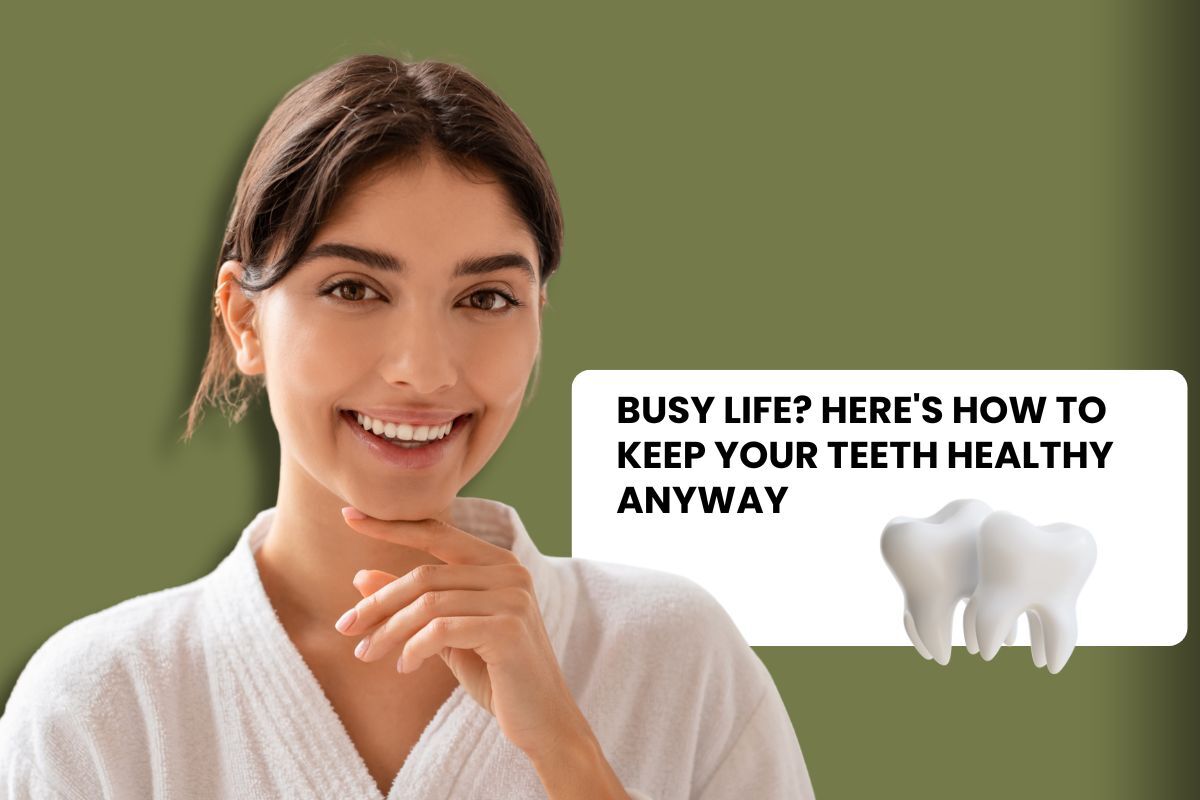
Between work deadlines, family responsibilities, errands, and long commutes, it’s easy for oral hygiene to slip down the priority list. If you’ve been wondering how to keep teeth healthy with a busy lifestyle, you’re not alone. Many people rush through brushing, forget to floss, snack throughout the day, or postpone dental appointments simply because life gets busy.
The good news is that protecting your smile doesn’t require a complicated routine. A few simple habits practiced consistently can help prevent cavities, gum disease, and other common dental problems—even when your schedule is packed.
Whether you work in Maitland, commute through Orange County, or spend most of your day on the go, making time for preventive dental care today can save you from unexpected dental problems later.
How can you keep your teeth healthy with a busy lifestyle?
You can keep your teeth healthy by brushing twice a day, flossing once daily, drinking plenty of water, limiting sugary snacks, and scheduling routine dental checkups. Small daily habits are often enough to prevent cavities and gum disease, even if you have a demanding schedule.
Why a Busy Lifestyle Can Affect Your Oral Health
When life gets hectic, healthy routines are usually the first thing to suffer. Skipping a night of flossing or rushing through brushing may not seem like a big deal, but repeated over weeks or months, these habits allow plaque and bacteria to build up.
Without proper daily care, minor issues can develop into:
- Tooth decay
- Gum inflammation
- Persistent bad breath
- Tooth sensitivity
- More extensive dental treatment later
The goal isn’t perfection—it’s consistency.
Brush Twice a Day to Keep Teeth Healthy
Brushing remains the simplest and most effective way to protect your teeth.
Brushing in the morning removes bacteria that accumulate overnight, while brushing before bed removes food particles and plaque from the day.
To get the most from your routine:
- Brush for at least two minutes.
- Use fluoride toothpaste.
- Clean every tooth surface, including along the gumline.
- Replace your toothbrush every three to four months.
Even on your busiest days, two minutes can make a lasting difference.
Make Flossing Easy to Fit Into Your Day
Many people skip flossing because they think it takes too much time. In reality, it only takes a minute or two and reaches areas your toothbrush can’t.
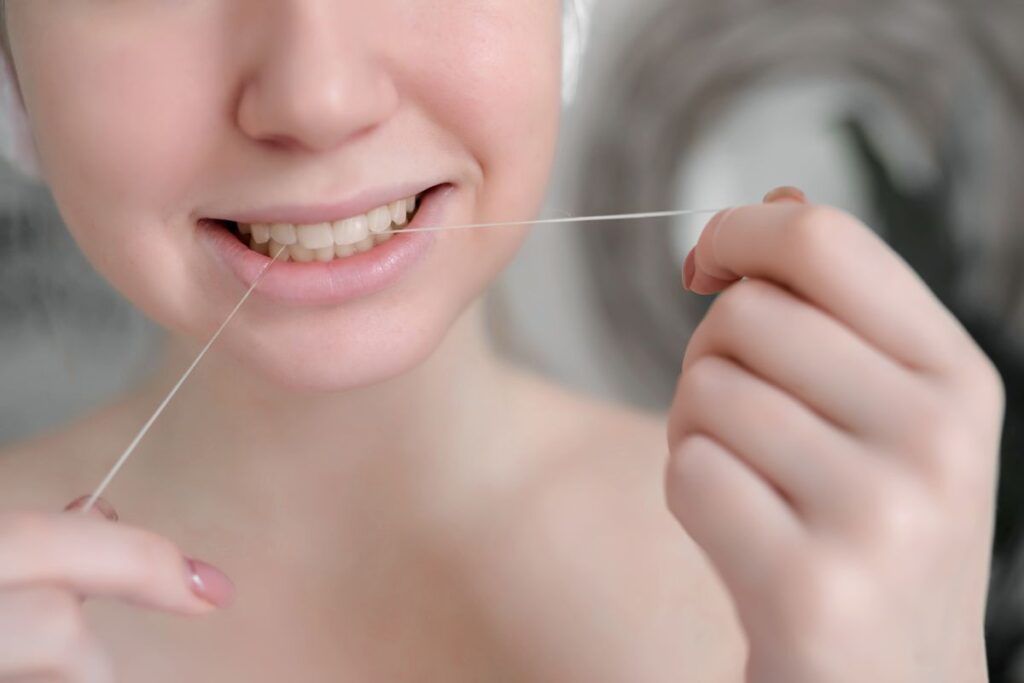
If traditional floss feels inconvenient, consider:
- Floss picks
- Water flossers
- Pre-threaded flossers
The best flossing method is the one you’ll actually use every day.
Choose Tooth-Friendly Snacks
Frequent snacking exposes your teeth to acids and sugars throughout the day, increasing the risk of cavities.
Instead of reaching for processed snacks, choose foods that support healthier teeth.
Better snack options include:
- Cheese
- Plain yogurt
- Fresh apples
- Carrots
- Celery
- Almonds
- Unsalted nuts
Limiting sugary drinks and sticky snacks also helps protect your enamel.
Stay Hydrated for a Healthier Smile
Water does much more than quench your thirst.
It helps:
- Wash away food particles.
- Support healthy saliva production.
- Reduce dry mouth.
- Lower acid levels after meals.
- Freshen your breath naturally.
Keeping a refillable water bottle nearby makes staying hydrated much easier throughout the day.
Don’t Ignore Early Warning Signs
Many dental problems begin with subtle symptoms that are easy to overlook.

Watch for signs such as:
- Bleeding gums
- Tooth sensitivity
- Persistent bad breath
- Pain while chewing
- Jaw discomfort
- Changes in tooth color
Addressing these symptoms early can help prevent more complex treatment later. If you notice ongoing discomfort, scheduling an evaluation with a dentist near me can help identify the cause before it worsens.
Make Preventive Dental Visits Part of Your Routine
Daily brushing and flossing are important, but they don’t replace professional care.
Routine dental checkups allow your dentist to:
- Remove hardened plaque and tartar.
- Detect cavities early.
- Monitor gum health.
- Screen for oral cancer.
- Identify problems before they become emergencies.
Scheduling appointments every six months often saves both time and money by preventing larger dental issues. Preventive dental care, including exams and cleanings, is a cornerstone of maintaining lifelong oral health.
Manage Stress to Protect Your Oral Health
Stress doesn’t just affect your mood—it can also impact your oral health. During busy or stressful periods, many people unknowingly clench or grind their teeth, especially while sleeping. Over time, these habits can place extra pressure on your teeth and jaw.
Stress-related oral health issues may include:
- Teeth grinding (bruxism)
- Jaw pain or tightness
- Frequent headaches
- Worn or chipped teeth
- Increased risk of gum inflammation
Simple lifestyle changes such as getting enough sleep, staying active, practicing relaxation techniques, or taking short breaks during the day can help reduce stress and its effects on your smile.
Build Healthy Habits That Last
Healthy teeth don’t require a perfect routine—they require a consistent one.
Try making these habits part of your everyday schedule:
- Brush your teeth every morning and night.
- Floss once a day.
- Drink water throughout the day.
- Choose healthier snacks when possible.
- Replace your toothbrush regularly.
- Keep routine dental appointments.
These small actions take only a few minutes each day but can make a significant difference in protecting your oral health.
Why Preventive Dental Care Is Worth Your Time
Preventive care helps catch dental problems before they become painful, expensive, or time-consuming to treat.
Routine exams and professional cleanings can help:
- Detect cavities early.
- Prevent gum disease.
- Remove plaque and tartar buildup.
- Monitor changes in your oral health.
- Reduce the risk of unexpected dental emergencies.
Investing a little time now often means spending less time in the dental chair later.
According to the American Dental Association (ADA), brushing twice a day with fluoride toothpaste, flossing daily, and visiting your dentist regularly are some of the most effective ways to maintain good oral health. You can learn more by visiting
Keep Your Smile Healthy—Even on Your Busiest Days
A demanding schedule doesn’t have to come at the expense of your oral health. With a few simple daily habits, you can protect your teeth, reduce your risk of cavities and gum disease, and keep your smile looking and feeling its best.
At Maitland Dentistry, we believe preventive care should fit into your lifestyle—not interrupt it. If you’re looking for a trusted Dentist in Maitland, our team is here to provide personalized care that helps you maintain a healthy smile for years to come.
Schedule Your Next Dental Visit Today
Don’t wait until a small dental concern becomes a bigger problem.
Call (407) 647-2405 to schedule your appointment and keep your smile healthy—no matter how busy life gets.
Frequently Asked Questions
How can I keep my teeth healthy if I have a busy schedule?
Brushing twice a day, flossing once daily, drinking plenty of water, limiting sugary snacks, and keeping routine dental appointments are simple habits that help maintain healthy teeth, even with a busy lifestyle.
Is brushing once a day enough?
No. Dentists recommend brushing twice a day with fluoride toothpaste to remove plaque, strengthen enamel, and reduce the risk of cavities and gum disease.
What foods are better for my teeth?
Tooth-friendly foods include cheese, yogurt, crunchy vegetables, apples, nuts, and other foods low in added sugar. Drinking water instead of sugary beverages also supports better oral health.
Why do my gums bleed when I brush?
Bleeding gums can be an early sign of gum disease or inflammation caused by plaque buildup. If the bleeding continues, it’s important to schedule a dental evaluation.
How often should I have a dental checkup?
Most people benefit from a dental exam and professional cleaning every six months. Your dentist may recommend more frequent visits depending on your oral health needs.