By Maitland Dentistry | June 5, 2026
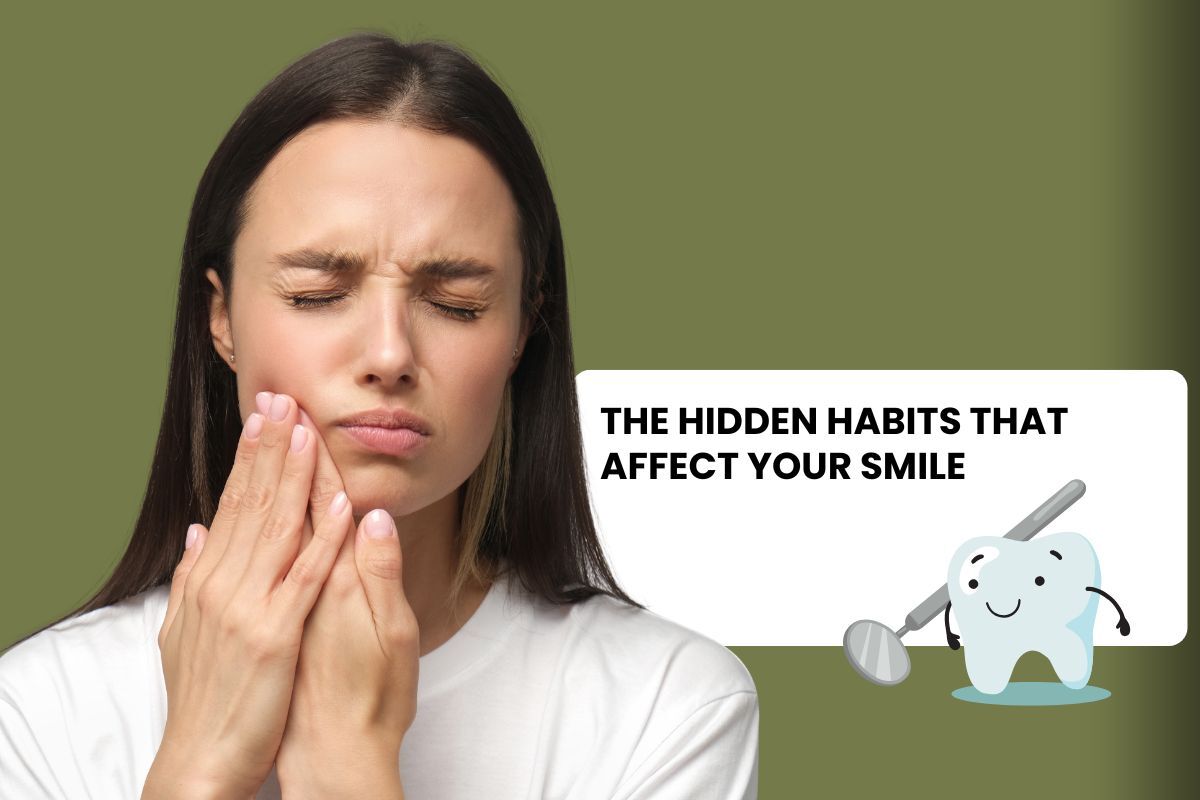
Most people think dental problems only happen if you don’t brush or skip flossing. While oral hygiene matters, there are plenty of everyday habits that can quietly affect your teeth and gums—often without you realizing it.
These habits usually build up over time, slowly causing things like enamel wear, tooth sensitivity, gum irritation, or even jaw discomfort. The tricky part? Most of them feel totally harmless in the moment.
Understanding these hidden habits can help you protect your smile before small issues turn into bigger dental concerns.
Constant Snacking Throughout the Day
Frequent snacking is one of the most overlooked habits affecting oral health.
Every time you eat, bacteria in your mouth produce acids that attack your enamel. If you snack or sip on drinks throughout the day, your teeth are exposed to these acids more often.
Over time, this may increase the risk of:
- Tooth decay
- Enamel erosion
- Sensitivity
It’s not just sugary snacks—even crackers, chips, and other processed foods can add to plaque buildup if you eat them often.
Grinding or Clenching Your Teeth
Many people grind their teeth without realizing it, especially during sleep or stressful situations.
This habit can lead to:
- Jaw pain
- Headaches
- Worn-down teeth
- Increased sensitivity
- Cracks in teeth
Because it usually happens without you knowing, most people notice symptoms like morning jaw soreness or tension before realizing they’re grinding their teeth.
Using Teeth as Tools
Opening packages, biting your nails, or tearing tags with your teeth might seem convenient, but it puts a lot of extra pressure on them.
This can result in:
- Chipped teeth
- Micro-cracks
- Damage to dental restorations
Teeth are strong, but they’re not built for non-food tasks. Using them this way again and again can weaken them over time.
Drinking Sugary or Acidic Beverages Frequently
Even if you brush regularly, sipping on sugary or acidic drinks a lot can slowly wear down your enamel.

Common culprits include:
- Soft drinks
- Energy drinks
- Packaged juices
- Sweetened coffee or tea
These drinks lower the mouth’s pH, weakening enamel and increasing the risk of decay. Sipping them slowly throughout the day can be even more harmful than drinking them quickly.
Skipping Water After Meals
If you don’t drink water after eating, food particles and acids can hang around on your teeth longer.
Water helps:
- Wash away food debris
- Neutralize acids
- Support saliva production
A dry mouth environment makes it easier for bacteria to grow, increasing the risk of cavities and gum issues.
Brushing Too Hard
Many people believe that brushing harder means cleaner teeth, but this is not true.
Aggressive brushing can lead to:
- Gum recession
- Enamel wear
- Tooth sensitivity
A soft-bristled toothbrush and gentle, circular motions work best and are safer for your teeth in the long run.
Ignoring Minor Dental Discomfort
Small signs, such as occasional sensitivity or slight gum bleeding, are often ignored.
However, these early symptoms may indicate:
- Gum inflammation
- Early decay
- Enamel erosion
It’s always easier to fix problems early rather than waiting until you’re in pain.
Mouth Breathing
Breathing through the mouth instead of the nose can dry out saliva, which plays an important role in protecting teeth.
Dry mouth conditions can lead to:
- Bad breath
- Higher cavity risk
- Gum irritation
This habit is often linked to allergies, nasal issues, or sleep patterns.
Nail Biting and Chewing Objects
Habits like nail biting or chewing pens can introduce bacteria into the mouth and place stress on teeth.
Over time, this may contribute to:
- Chipped teeth
- Bite misalignment
- Jaw tension
Even if it feels harmless, repeated pressure can affect dental alignment and enamel strength.
Why These Habits Matter Over Time
The impact of these habits is usually not immediate. Instead, they build slowly, often going unnoticed until symptoms appear.
Small daily actions may seem harmless, but over months or years, they can affect:
- Tooth strength
- Gum health
- Bite alignment
- Overall smile appearance
Being aware of these habits is the first step in protecting long-term oral health.
Preventive Dental Care in Maitland, Florida
Many patients searching for a dentist in Maitland often discover that small lifestyle habits play a bigger role in oral health than expected.
At Maitland Dentistry, preventive care focuses on identifying early signs of wear, gum changes, and enamel damage before they develop into more serious problems. Regular dental checkups help monitor these hidden habits and their effects on your smile over time.
When to Pay Attention to Your Smile
You should consider a dental evaluation if you notice:
- Sensitivity to hot or cold foods
- Jaw pain or headaches
- Bleeding gums
- Tooth wear or chipping
- Persistent bad breath
These signs often indicate that daily habits may already be affecting oral health.
Schedule a Dental Visit
If you notice changes in your teeth, gums, or smile, early evaluation can help prevent long-term damage and keep your oral health on track.
To learn more or schedule an appointment, contact us at (407) 647-2405.
FAQs
Can daily habits really damage teeth?
Yes, repeated small habits over time can weaken enamel and affect gum health.
Is teeth grinding common?
Yes, many people grind their teeth without realizing it, especially during sleep.
Does snacking often cause cavities?
Frequent snacking increases acid exposure, which can lead to tooth decay.
Can brushing too hard damage teeth?
Yes, aggressive brushing may wear down enamel and cause gum recession.
Why is dry mouth bad for teeth?
Saliva helps protect teeth, so a dry mouth increases the risk of cavities.