By Maitland Dentistry | April 3, 2026
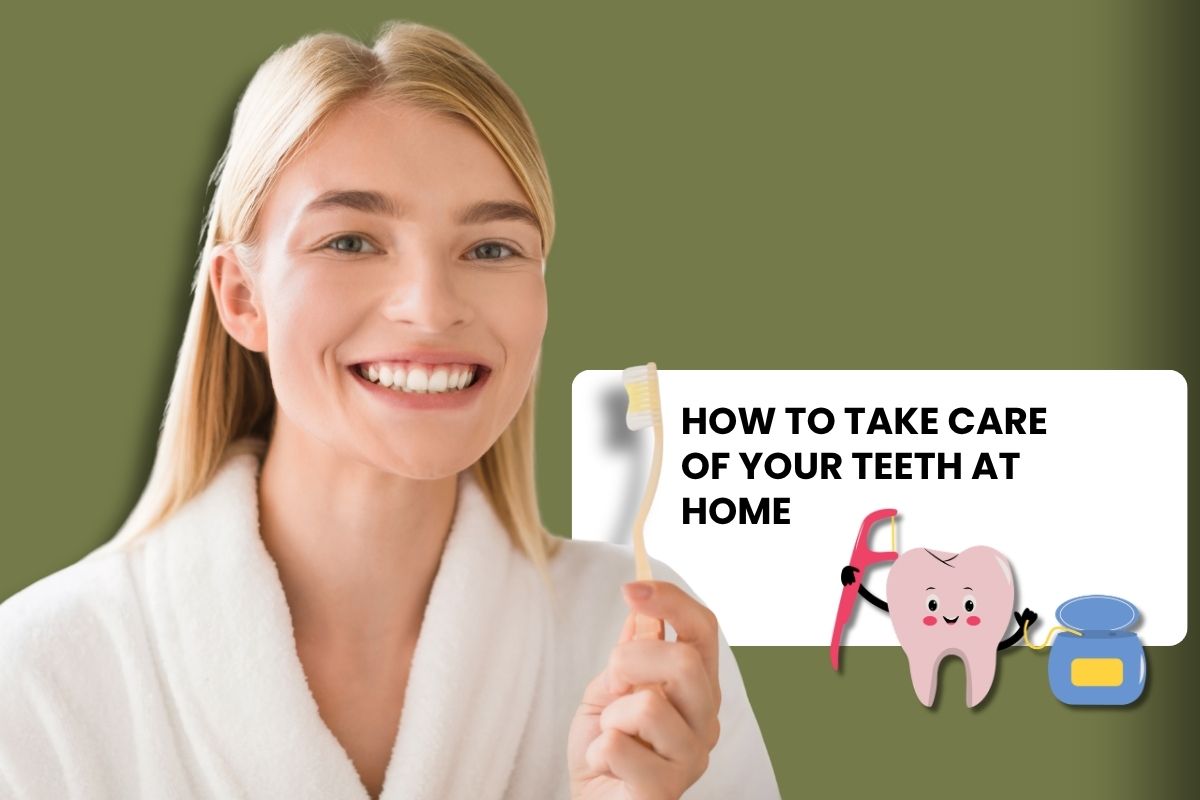
Maintaining good oral health starts right at home. While regular dental visits are essential, your daily habits play the biggest role in keeping your teeth and gums healthy. A consistent at-home routine can help prevent cavities, gum disease, and other dental issues—saving you time, discomfort, and costly treatments in the long run. If you’ve ever searched for a “dentist near me” because of sudden tooth pain or sensitivity, you already know how important prevention can be.
Here’s a complete guide to caring for your teeth at home and keeping your smile strong and healthy.
1. Brush Properly Twice a Day
Brushing your teeth is the foundation of oral hygiene, but technique matters just as much as frequency. You should brush at least twice a day—once in the morning and once before bed—for two minutes each time.
Use a soft-bristled toothbrush and fluoride toothpaste. Hold your brush at a 45-degree angle to your gums and use gentle, circular motions rather than aggressive back-and-forth scrubbing. This helps remove plaque effectively without damaging your enamel or irritating your gums.
Don’t forget to brush all surfaces of your teeth, including the back molars and along the gumline. Also, replace your toothbrush every 3–4 months or sooner if the bristles are worn.
2. Don’t Skip Flossing
Flossing is just as important as brushing, yet many people skip it. Your toothbrush can’t reach the tight spaces between your teeth where food particles and plaque often get trapped.
Floss at least once a day, preferably before bedtime. Gently slide the floss between your teeth and curve it around each tooth in a C-shape, moving it up and down to clean below the gumline. If traditional floss is difficult to use, consider floss picks or water flossers for convenience.
Regular flossing helps prevent cavities between teeth and reduces the risk of gum disease.
3. Use Mouthwash for Extra Protection
Adding an antimicrobial or fluoride mouthwash to your routine can give you an extra layer of protection. Mouthwash helps reduce bacteria, freshens your breath, and can strengthen your enamel.
Use mouthwash after brushing and flossing, but avoid rinsing with water immediately afterward so the active ingredients can continue working. Choose a mouthwash that fits your needs—whether it’s for cavity protection, gum health, or sensitivity.
4. Maintain a Tooth-Friendly Diet
What you eat plays a big role in your oral health. Sugary and acidic foods can weaken enamel and lead to tooth decay, especially if consumed frequently throughout the day.

To protect your teeth:
- Limit sugary snacks and drinks like soda and candy
- Avoid frequent snacking, which keeps your teeth exposed to acid
- Choose crunchy fruits and vegetables like apples and carrots
- Include calcium-rich foods like milk, cheese, and yogurt
Drinking plenty of water, especially after meals, helps wash away food particles and bacteria.
5. Stay Hydrated
Saliva is your body’s natural defense against tooth decay. It helps neutralize acids, wash away debris, and prevent dry mouth.
Drinking enough water throughout the day supports saliva production and keeps your mouth clean. If you frequently experience dry mouth, try sugar-free gum or speak with a dental professional for solutions.
6. Avoid Harmful Habits
Certain habits can damage your teeth over time. Being mindful of these behaviors can help you avoid unnecessary dental problems.
- Teeth grinding (bruxism): Can wear down enamel and cause sensitivity
- Nail biting: May chip or crack teeth
- Using teeth as tools: Opening packages with your teeth can lead to fractures
- Smoking or tobacco use: Increases the risk of gum disease and oral cancer
If you grind your teeth at night, consider a nightguard to protect your smile.
7. Pay Attention to Early Warning Signs
Your mouth often gives you clues when something isn’t right. Don’t ignore symptoms like:
- Tooth sensitivity
- Bleeding or swollen gums
- Persistent bad breath
- Tooth pain
Catching these signs early can prevent more serious problems. If you notice anything unusual, it’s a good idea to search for a “dentist near me” and schedule an evaluation before the issue worsens.
8. Keep Up with Regular Dental Checkups
Even with the best at-home care, professional cleanings and exams are essential. Dentists can remove hardened plaque (tartar), check for early signs of decay, and provide personalized advice for your oral health.
Routine visits also help detect issues that may not yet be visible or painful, ensuring timely treatment.
Final Thoughts
Taking care of your teeth at home doesn’t have to be complicated—it just requires consistency and the right habits. Brushing, flossing, maintaining a healthy diet, and staying hydrated all work together to keep your smile in great shape.
However, at-home care is only one part of the equation. Regular visits to a trusted dental provider ensure that your oral health stays on track and any concerns are addressed early.
If you’re looking for reliable, compassionate dental care, Maitland Dentistry in Maitland is here to help. Whether you need a routine checkup or have concerns about your oral health, their experienced team is committed to keeping your smile healthy and bright. Schedule your appointment today and take the next step toward better dental health.