By Maitland Dentistry | May 29, 2026
Gum disease is one of the most common oral health problems, yet it often goes unnoticed in its early stages. Many people assume that minor symptoms like occasional bleeding or mild gum irritation are not serious. However, these early signs are often the first indication that gum health is beginning to decline.
The challenge with gum disease is that it develops slowly. By the time discomfort becomes noticeable, the condition may already be progressing beneath the surface. Understanding the early warning signs can help prevent long-term damage to the gums and supporting bone structure.
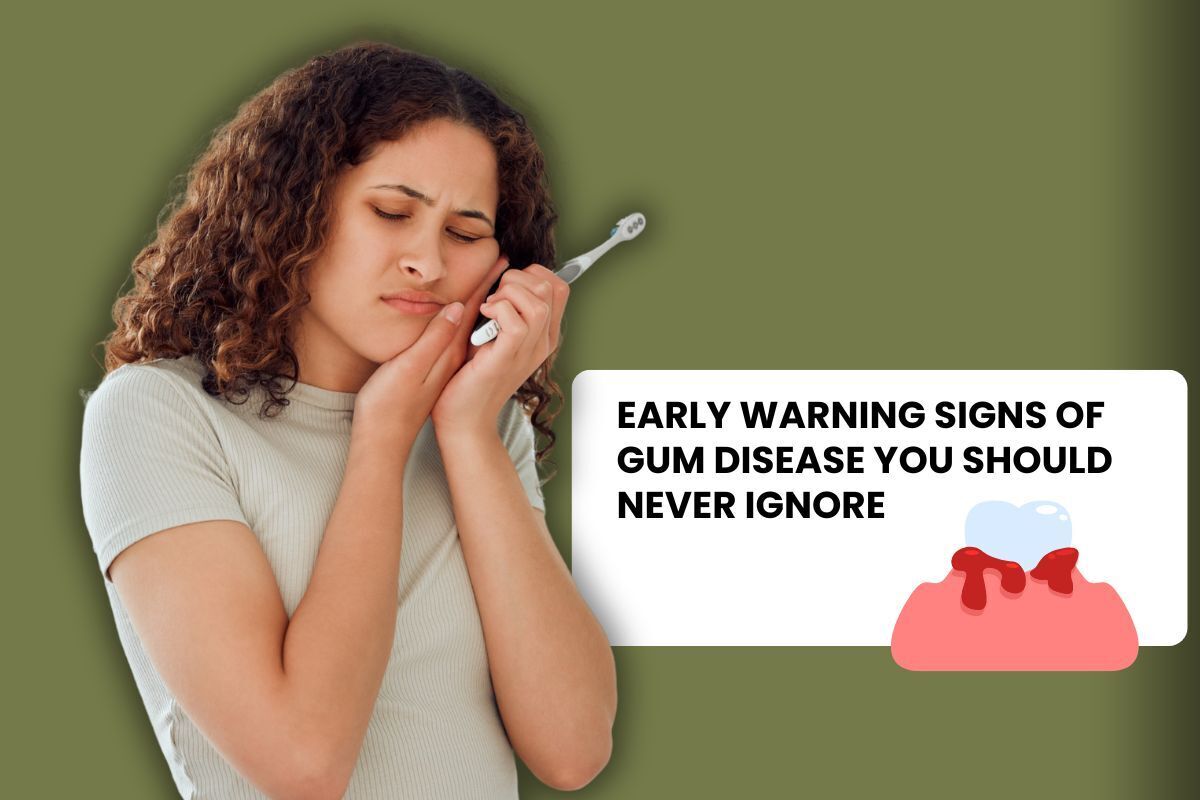
Bleeding Gums During Brushing or Flossing
One of the earliest and most common signs of gum disease is bleeding while brushing or flossing.
Healthy gums should not bleed during routine oral care. When bleeding happens regularly, it often means the gums are irritated due to plaque buildup along the gumline.
This irritation can progress if left untreated, making it important to pay attention even when the bleeding seems mild or occasional.
Red or Swollen Gums
Changes in gum color and texture are another early warning sign.
Gums affected by inflammation may appear:
- Red instead of light pink
- Puffy or swollen
- Slightly tender when touched
Many people do not feel pain at this stage, which is why it is often overlooked. Even without discomfort, visible changes in the gums should not be ignored.

Persistent Bad Breath
Bad breath that does not improve with brushing, flossing, or mouthwash may be more than just a hygiene issue.
When bacteria build up below the gumline, they can release toxins that create an ongoing unpleasant odor. This type of bad breath tends to return quickly even after cleaning the mouth.
If bad breath becomes persistent, it may be worth evaluating gum health rather than just masking the symptom.
Gum Recession and Sensitivity
When gums begin pulling away from the teeth, the roots may become exposed. This condition is known as gum recession.
Common signs include:
- Teeth appearing longer than before
- Increased sensitivity to cold or hot foods
- Discomfort while brushing
Gum recession often develops gradually, so patients may not notice it right away. Over time, it can increase sensitivity and risk of decay near the root surface.
Tooth Sensitivity Without a Clear Cause
Sensitivity is not always related to cavities or enamel wear. In some cases, it may be connected to gum inflammation or recession.
You may notice discomfort when consuming:
- Cold drinks
- Hot beverages
- Sweet foods
If sensitivity appears suddenly or becomes more frequent, it may be a sign that gum health is changing.
Loose Teeth or Changes in Bite
As gum disease progresses, it can affect the bone that supports the teeth.
This may lead to:
- Teeth feeling slightly loose
- Changes in how teeth fit together
- Small gaps developing between teeth
These changes often indicate a more advanced stage of gum disease and should be evaluated promptly.
Pain While Chewing
Discomfort while chewing is another symptom that should not be ignored.
It may feel like:
- Pressure in certain areas
- Mild soreness when biting down
- A dull ache while eating
This can happen when inflammation affects the supporting structures around the teeth.
Gum Pockets or Food Trapping
Some patients notice that food begins getting trapped more easily between teeth or along the gumline.
This may indicate that small spaces, known as gum pockets, are forming due to gum attachment loss. These pockets can collect bacteria and make the condition worse over time if not addressed.
Why Early Detection Matters
Gum disease does not improve on its own. In its early stages, it may be reversible with proper care, but once it progresses, it can lead to permanent damage to the gums and bone.
Early treatment may help:
- Reduce inflammation
- Prevent tooth loss
- Improve breath and gum comfort
- Protect long-term oral health
The earlier the condition is identified, the simpler it is to manage.
Daily Habits That Support Gum Health
Maintaining healthy gums starts at home. While professional care is important, daily habits play a major role in prevention.
Helpful habits include:
- Brushing twice daily
- Flossing once a day
- Using a soft-bristled toothbrush
- Reducing sugary snacks and drinks
- Staying consistent with dental visits
These steps can significantly reduce plaque buildup and gum irritation over time.
Gum Health Awareness
In many cases, patients only seek dental care once symptoms start affecting daily comfort. However, gum disease is often easier to manage when caught early during routine checkups.
In Maitland, Florida, patients experiencing symptoms like bleeding gums, sensitivity, or persistent bad breath often benefit from early evaluation before the condition progresses further.
At Maitland Dentistry, treatment for gum disease focuses on early diagnosis, protecting natural teeth, and supporting long-term oral health. The approach is centered on preserving natural teeth and supporting long-term oral wellness.
When to Get Your Gums Checked
You should consider scheduling a dental evaluation if you notice:
- Bleeding during brushing or flossing
- Swollen or red gums
- Persistent bad breath
- Tooth sensitivity
- Receding gums or loose teeth
Even mild symptoms can be an early sign of gum disease.
Schedule a Dental Visit
If you are experiencing symptoms such as bleeding gums, sensitivity, bad breath, or gum changes, early evaluation can help protect your oral health and prevent further progression.
To learn more or schedule a visit, contact us at (407) 647-2405 or request appointments and additional information.
FAQs
What is the first sign of gum disease?
Bleeding gums during brushing or flossing is often the earliest warning sign.
Can gum disease be reversed?
Early gum inflammation can often be improved with professional cleaning and proper oral hygiene.
Why do my gums bleed when I brush?
It is usually caused by plaque buildup and gum irritation.
Is bad breath always related to gum disease?
Not always, but persistent bad breath can be a sign of gum problems.
Can gum disease lead to tooth loss?
Yes, advanced gum disease can damage the bone that supports teeth.