By Maitland Dentistry | July 8, 2026
Many people expect their teeth to whiten evenly after treatment, but that’s not always what happens. One person may notice a brighter smile after just one professional whitening session, while another may need multiple treatments to achieve similar results. The difference often comes down to the type of stains, the condition of the enamel, and individual oral health.
At Maitland Dentistry, we help patients understand what to expect before beginning treatment so they can achieve realistic, long-lasting results. If you’ve been searching for teeth whitening Maitland or a trusted dentist Maitland FL, understanding why teeth whiten at different speeds can help you choose the treatment that’s right for your needs.
Why Doesn’t Everyone Get the Same Whitening Results?
Every tooth is unique.
Factors such as enamel thickness, natural tooth color, age, lifestyle habits, and the type of discoloration all influence how quickly whitening products work.
Some stains sit on the surface of the enamel and respond quickly to whitening agents, while others develop deeper within the tooth and require more time or alternative cosmetic treatments.
What Affects How Quickly Teeth Whiten?
1. The Type of Stains
One of the biggest factors is the type of discoloration.
Extrinsic stains develop on the surface of the enamel and are commonly caused by:
- Coffee
- Tea
- Red wine
- Tobacco products
- Dark-colored foods
These stains often respond well to professional whitening treatments.
Intrinsic stains, however, develop inside the tooth and may result from:
- Aging
- Certain medications
- Dental trauma
- Excessive fluoride exposure during tooth development
Because these stains are deeper, they usually require more time to lighten and, in some cases, may not respond completely to whitening alone.
2. Enamel Thickness
Enamel is naturally translucent.
People with thicker, healthier enamel often experience more uniform whitening because the bleaching agents work more consistently across the tooth surface.
As enamel becomes thinner with age, the yellow dentin underneath becomes more visible, making whitening results less dramatic for some individuals.
3. Your Age
Teeth naturally change color over time.
As we age:
- Enamel gradually wears down.
- Dentin becomes darker.
- Years of staining accumulate.
These changes don’t prevent whitening, but they may require additional treatment or maintenance to achieve the desired shade.
4. Existing Dental Restorations
Whitening products only work on natural tooth enamel.
Materials such as:
- Crowns
- Veneers
- Composite fillings
- Dental bonding
will not change color during whitening treatment.
If restorations are located on your front teeth, your dentist may recommend replacing them after whitening to create a more uniform appearance.
5. Your Lifestyle Habits
Even after professional whitening, daily habits influence how quickly teeth respond and how long results last.
Frequent exposure to staining substances such as coffee, tea, red wine, tobacco, and dark-colored foods can slow whitening progress and contribute to new discoloration over time.
Can Every Tooth Be Whitened?
Not always.
Most healthy natural teeth respond well to professional whitening, but some types of discoloration require different cosmetic treatments.
For example:
- Deep intrinsic stains
- Teeth affected by trauma
- Severe fluorosis
- Certain developmental enamel defects
may benefit more from dental bonding or porcelain veneers than whitening alone.
A professional evaluation helps determine which treatment will provide the most predictable results.
If you’re considering professional whitening, learn more about your options by visiting our Teeth Whitening page.
How Can You Get Better Teeth Whitening Results?
Although everyone’s teeth respond differently, there are several ways to improve both the speed and longevity of your whitening results.
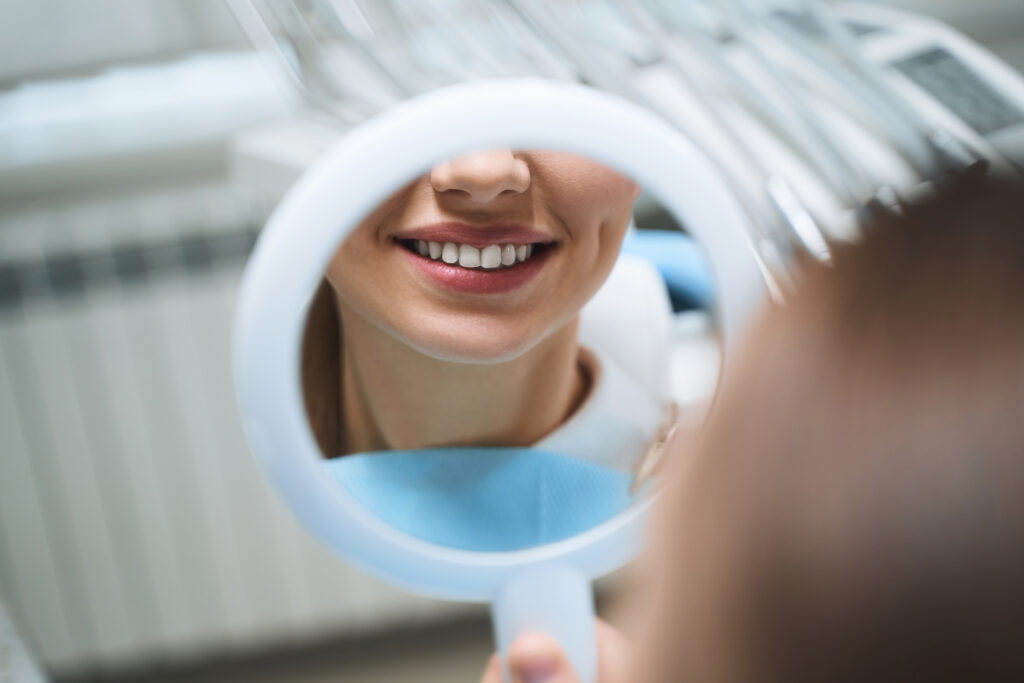
Choose Professional Whitening
Professional whitening treatments use stronger yet carefully controlled whitening agents than over-the-counter products. Because treatment is customized to your teeth, patients often achieve more consistent and noticeable results.
Start with a Healthy Smile
Whitening works best on healthy teeth.
Before beginning treatment, your dentist may recommend addressing issues such as:
- Cavities
- Gum disease
- Plaque and tartar buildup
- Worn or damaged restorations
A healthy foundation allows whitening treatments to perform more effectively.
Reduce Foods and Drinks That Cause Stains
After whitening, teeth are more susceptible to staining for a short period.
Limiting the following can help maintain your results:
- Coffee
- Tea
- Red wine
- Dark-colored sodas
- Tomato-based sauces
- Tobacco products
Using a straw for dark beverages and rinsing with water afterward may also reduce new staining.
Maintain Good Oral Hygiene
Daily brushing and flossing help remove surface stains before they become more noticeable.
Regular professional cleanings also help maintain the appearance of your teeth between whitening treatments.
Quick Answer
Why do some teeth whiten faster than others?
Teeth whiten at different speeds because of factors such as enamel thickness, the type of stains, age, oral health, and lifestyle habits. Surface stains caused by coffee, tea, or tobacco typically respond more quickly to professional whitening than deeper intrinsic stains. A personalized whitening plan helps achieve the most predictable results.
Myth vs. Fact
Myth: Everyone gets the same whitening results after one treatment.
Fact: Every person’s teeth respond differently. Natural tooth color, stain type, enamel thickness, and age all influence how quickly teeth become lighter.
Myth: Stronger whitening products always work better.
Fact: Professional whitening is designed to brighten teeth safely while minimizing sensitivity. Using stronger products without supervision may increase the risk of irritation without improving results.
Myth: Teeth whitening works on crowns and veneers.
Fact: Whitening treatments only affect natural tooth enamel. Existing crowns, veneers, fillings, and bonding will not change color.
Achieve a Brighter, More Even-Looking Smile
If you’ve noticed that your teeth don’t whiten as quickly as expected, it doesn’t necessarily mean whitening isn’t working. A professional evaluation can determine what’s affecting your results and whether another cosmetic treatment may be a better option.
Schedule Your Teeth Whitening Consultation
If you’re looking for teeth whitening Maitland, our team can evaluate your teeth, discuss your cosmetic goals, and recommend the treatment that’s right for you.
Call (407) 647-2405 to schedule your consultation and learn how professional whitening can help enhance your appearance.
Frequently Asked Questions
1. Why do some teeth whiten faster than others?
Differences in enamel thickness, stain type, age, and oral health all affect how quickly whitening treatments produce visible results.
2. Can yellow teeth become completely white?
Many yellow teeth respond well to professional whitening, but the final shade depends on the cause of the discoloration and your natural tooth color.
3. Does professional teeth whitening work better than store-bought products?
Professional whitening uses stronger whitening agents under dental supervision, often providing faster and more predictable results.
4. Why do my teeth look uneven after whitening?
Some areas of the enamel may respond differently because of dehydration, stain depth, or variations in tooth structure. The color often becomes more uniform within a few days.
5. How long do professional whitening results last?
With good oral hygiene and healthy lifestyle habits, professional whitening results can last from several months to a few years, depending on individual factors.