By Maitland Dentistry | May 22, 2026
Losing a tooth affects far more than just your smile. Many adults begin noticing subtle facial changes after tooth loss, especially when missing teeth are left untreated for a long period. Sunken cheeks, thinning lips, and a more aged appearance are all common concerns connected to bone loss in the jaw.
Across Maitland and nearby Central Florida communities, more people are exploring long-term tooth replacement options that not only restore function but also help maintain facial structure. Interest in dental implants maitland treatments continues to grow among adults looking for a solution that feels natural, secure, and supportive over time.
While aging naturally changes facial appearance, missing teeth can sometimes speed up those changes much faster than patients expect.
Why Tooth Loss Changes the Shape of the Face
Your teeth do more than help you chew food or smile confidently. They also help support the jawbone and surrounding facial muscles.
Every time you bite or chew, the tooth roots stimulate the jawbone beneath the gums. This regular stimulation keeps the bone healthy and strong. When a tooth is lost, that stimulation disappears.
Over time, the body may begin breaking down the unused bone tissue in that area. As the jawbone shrinks, the face may start losing some of its natural support.
This can lead to changes such as:
- Hollow or sunken cheeks
- Wrinkles around the mouth
- A sagging jawline
- Thinner lips
- Facial asymmetry
- An older-looking appearance
These changes usually happen gradually, which is why many people do not immediately connect them to missing teeth.
What Makes Dental Implants Different?
There are several ways to replace missing teeth, including bridges and dentures. However, dental implants function differently because they replace the missing tooth root as well as the visible tooth.
A dental implant is placed into the jawbone, where it integrates with the bone over time. This process helps recreate some of the natural stimulation that occurs with healthy teeth.
Because of this, dental implants may help:
- Preserve jawbone density
- Maintain facial support
- Reduce further bone deterioration
- Improve bite stability
- Support long-term oral function
Unlike removable dentures, implants remain fixed in place and are designed to function similarly to natural teeth.
How Bone Loss Happens After Missing Teeth
Bone loss after tooth loss is extremely common. In fact, many patients begin losing bone volume within the first year after a tooth is removed.
The body naturally adapts to changes. If a section of jawbone no longer supports a tooth, the body may slowly reabsorb that bone.
Several factors can affect how quickly this occurs, including:
- Number of missing teeth
- Gum health
- Smoking
- Oral hygiene habits
- Overall health
- How long the tooth has been missing
The longer teeth remain missing, the greater the chance of visible facial changes developing over time.
Signs Bone Loss May Already Be Occurring
Some patients are unaware bone loss has started until noticeable facial changes appear. Others may experience symptoms involving comfort or chewing ability.

Possible signs include:
- Dentures becoming loose
- Difficulty chewing certain foods
- Facial sagging
- Changes in bite alignment
- Increased wrinkles around the mouth
- Shifting teeth
- Jaw discomfort
These issues can sometimes become more difficult to treat if too much bone loss occurs.
Can Dental Implants Completely Stop Facial Aging?
Dental implants cannot stop natural aging, and they are not considered a cosmetic anti-aging treatment. However, they may help preserve the jawbone better than leaving missing teeth untreated.
Patients who replace missing teeth earlier often maintain better bone support compared to those who wait many years before treatment.
Many adults choose implants because they may help maintain:
- Natural facial contours
- Smile balance
- Jaw support
- Better chewing function
- Overall facial harmony
Results vary from person to person, depending on bone condition and oral health.
Why Timing Matters After Tooth Loss
One of the biggest mistakes patients make is waiting too long to replace missing teeth.
Many people delay treatment because:
- The missing tooth is not visible
- They can still chew comfortably
- They are unsure about treatment options
- The tooth loss does not initially seem urgent
Unfortunately, bone loss continues even when symptoms are not obvious.
Replacing missing teeth earlier may:
- Reduce bone deterioration
- Improve implant success rates
- Minimize shifting teeth
- Support long-term facial structure
In some cases where bone loss has already occurred, additional procedures such as bone grafting may be recommended before implant placement.
Everyday Benefits Beyond Appearance
Most patients initially focus on aesthetics, but dental implants also improve many day-to-day functions.
Common Functional Benefits Include:
- Improved chewing ability
- Better speech clarity
- Increased bite strength
- Reduced movement compared to dentures
- Greater comfort while eating
- Improved confidence in social situations
Because implants are anchored into the jawbone, many patients describe them as feeling closer to natural teeth than removable restorations.
Who May Be a Candidate for Dental Implants?
Dental implants are a popular option for many adults, but eligibility depends on several factors.
A dentist typically evaluates:
- Gum health
- Bone density
- Oral hygiene habits
- Medical history
- Tobacco use
- Number of missing teeth
Even patients who have experienced some bone loss may still qualify for treatment after additional evaluation.
A personalized dental consultation is important because every patient’s situation is different.
Caring for Dental Implants Long-Term
Dental implants require healthy oral hygiene habits to remain successful long-term.
Patients should continue:
- Brushing twice daily
- Flossing regularly
- Attending routine dental visits
- Keeping gums healthy
- Avoiding smoking when possible
Consistent care helps protect both the implant and surrounding gum tissue.
The Emotional Impact of Missing Teeth
Tooth loss often affects more than physical appearance alone. Many adults report changes in self-esteem and social confidence after losing teeth.
Some people may begin:
- Smiling less often
- Avoiding photos
- Covering their mouth while speaking
- Avoiding certain foods
- Feeling self-conscious socially
Restoring missing teeth can help many patients feel more comfortable with daily interactions and improve overall quality of life.
Throughout Maitland and surrounding areas, many adults are now seeking solutions that support both appearance and long-term oral health rather than focusing only on replacing the visible tooth.
Supporting Your Smile and Facial Structure
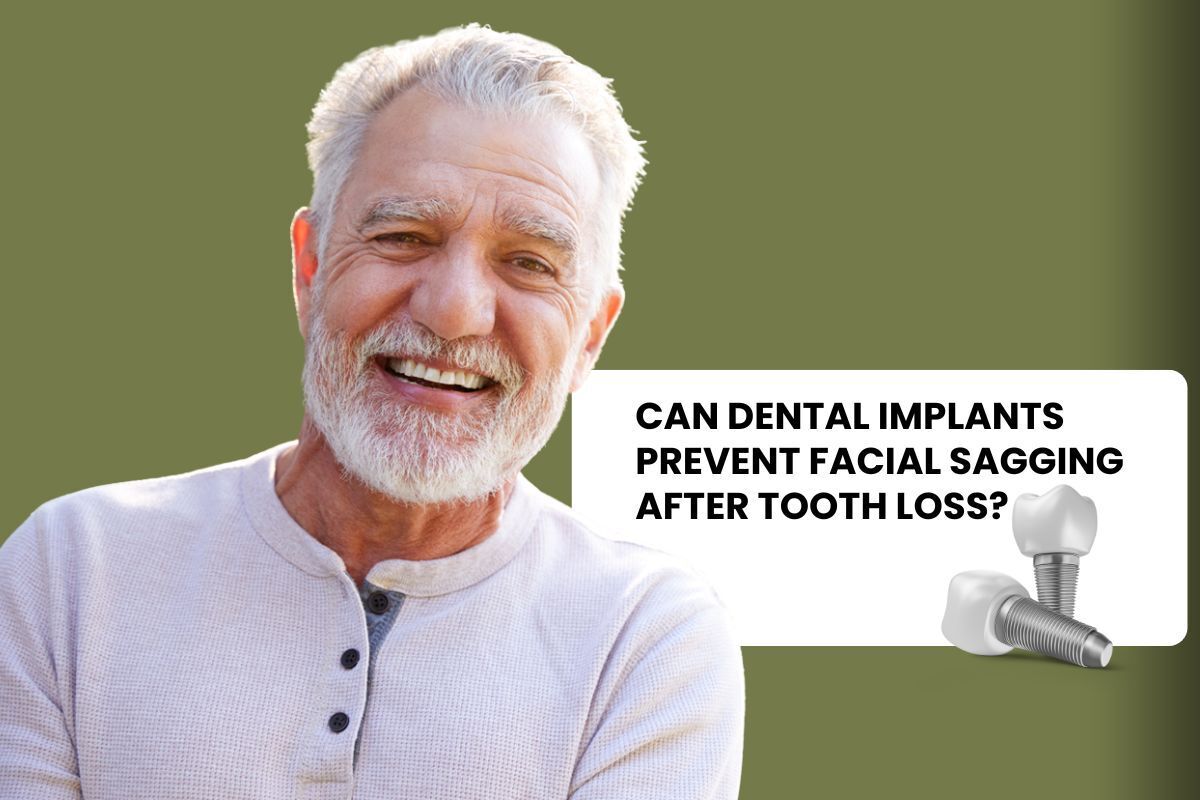
Facial sagging after tooth loss is often connected to underlying jawbone changes that develop over time. Because dental implants help stimulate the jawbone, they may help preserve facial support better than leaving missing teeth untreated.
Every patient’s oral health needs are unique, which is why a professional evaluation is important when considering tooth replacement options.
If you are exploring long-term solutions for missing teeth, contact Maitland Dentistry to learn more about whether dental implants may help restore your smile and support long-term facial structure.
FAQs
1. Why does tooth loss cause facial sagging?
Missing teeth can lead to jawbone loss over time, which may reduce facial support and create a sunken appearance.
2. How do dental implants support the jawbone?
Dental implants act like artificial tooth roots and help stimulate the jawbone during chewing.
3. Are dental implants better than dentures for bone preservation?
Dental implants may help preserve bone better because they integrate directly with the jawbone.
4. Can bone loss happen after losing just one tooth?
Yes, even one missing tooth can eventually lead to bone deterioration in that area of the jaw.
5. Is it too late to get dental implants after years of tooth loss?
Not always. Some patients may still qualify for implants, although additional procedures may sometimes be needed.