By Maitland Dentistry | May 15, 2026
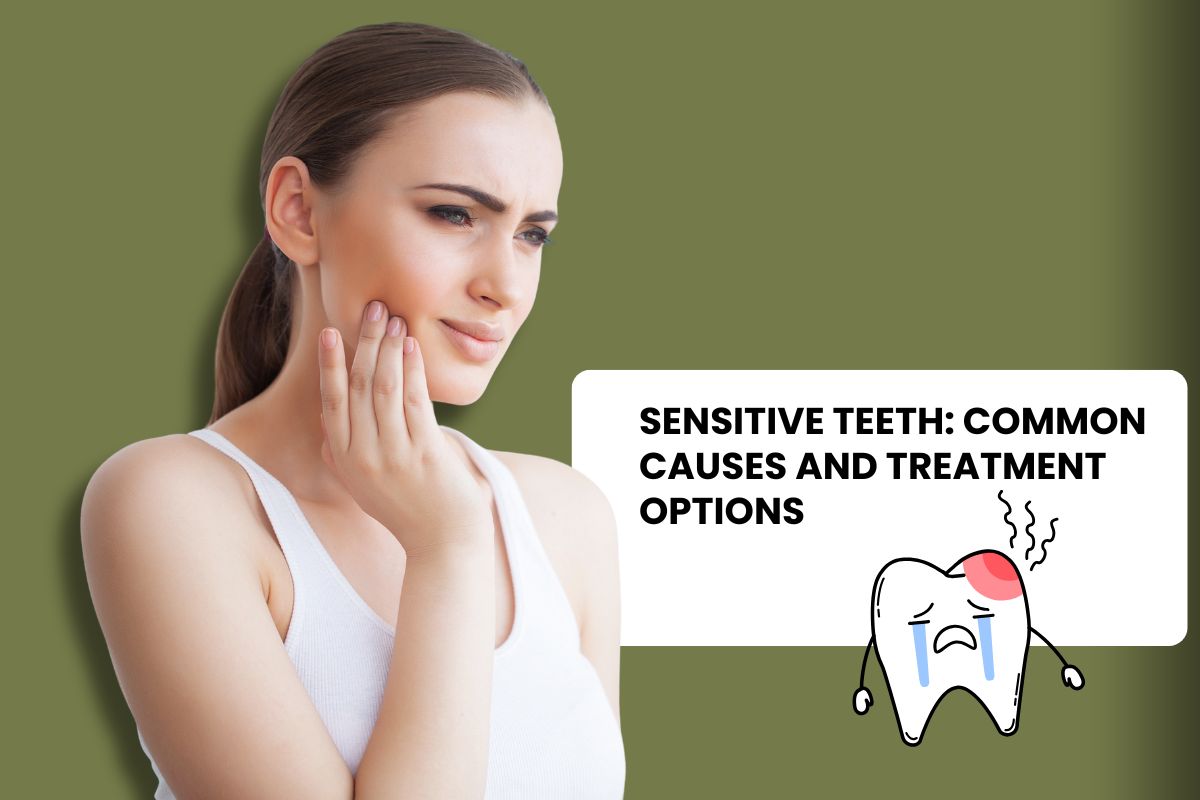
Tooth sensitivity is one of the most common dental concerns adults experience at some point in their lives. For some people, it is a mild discomfort that happens occasionally while drinking something cold. For others, it becomes a sharp, sudden pain that makes eating, drinking, or even brushing uncomfortable.
Many patients first notice sensitivity when:
- Drinking iced coffee or hot tea
- Eating sweets
- Brushing certain teeth
- Breathing in cold air
- Biting into cold foods like ice cream
Because sensitivity can start gradually, people often ignore it at first and assume it will go away on its own. However, sensitive teeth are sometimes a sign that enamel, gums, or underlying tooth structures need attention.
Dental sensitivity affects people everywhere and can happen for several different reasons, including worn enamel, gum recession, cavities, grinding, or previous dental damage. Throughout Maitland and nearby Central Florida communities, many patients searching online for a trusted dentist near me want to understand why their teeth suddenly feel more sensitive and what treatment options may help relieve discomfort.
At Maitland Dentistry, dental care focuses on identifying the underlying cause of sensitivity rather than simply masking symptoms temporarily. Understanding what causes sensitive teeth can help patients protect their oral health and avoid worsening discomfort over time.
Why Teeth Become Sensitive
Underneath the enamel of every tooth is a softer layer called dentin.
Dentin contains tiny pathways connected to the nerves inside the tooth. When enamel becomes worn or gums begin receding, these pathways become exposed to hot, cold, sweet, or acidic foods.
This exposure can trigger the sharp discomfort commonly associated with tooth sensitivity.
Sensitivity may affect:
- One tooth
- Multiple teeth
- Specific areas near the gums
- Teeth with previous dental work
The level of discomfort varies from person to person.
Common Causes of Sensitive Teeth
There is no single cause of tooth sensitivity. Several oral health conditions may contribute to it.
Worn Tooth Enamel
Enamel naturally wears down over time from:
- Aggressive brushing
- Acidic foods and beverages
- Teeth grinding
- Aging
As enamel becomes thinner, teeth become more vulnerable to temperature sensitivity.
Gum Recession
When gums pull away from teeth, the root surfaces become exposed.
Because roots are not protected by thick enamel, they are often much more sensitive to temperature changes.
Teeth Grinding
Grinding or clenching places pressure on teeth and may gradually wear enamel away.
Many people grind their teeth at night without realizing it.
Cavities or Tooth Damage
Decay, cracks, or damaged fillings can expose sensitive areas inside the tooth.
Sometimes sensitivity is one of the earliest warning signs of a cavity.
Recent Dental Procedures
Some patients experience temporary sensitivity after:
- Teeth whitening
- Fillings
- Crowns
- Deep cleanings
This sensitivity usually improves within a short period.
When Sensitivity May Indicate a Larger Problem
Occasional mild sensitivity is common, but persistent or worsening discomfort should not be ignored.
Patients should schedule a dental evaluation if sensitivity:
- Lasts for an extended period
- Becomes more painful
- Affects chewing
- Causes lingering pain
- Occurs with swelling or visible damage
In some cases, sensitivity may indicate:
- Tooth decay
- Infection
- Cracked teeth
- Gum disease
- Worn restorations
Early treatment often helps prevent more serious complications later.
How Dentists Diagnose Tooth Sensitivity
Because sensitivity has multiple possible causes, dentists typically perform a full examination to determine what is triggering the discomfort.

This may include:
- Examining enamel wear
- Checking gum recession
- Taking digital X-rays
- Evaluating existing dental work
- Looking for cracks or decay
Identifying the exact source helps determine the most effective treatment approach.
Treatment Options for Sensitive Teeth
Treatment depends on what is causing the sensitivity.
Desensitizing Toothpaste
Specialized toothpaste may help reduce discomfort by blocking sensitivity pathways inside the teeth.
Many patients notice gradual improvement after several weeks of consistent use.
Fluoride Treatments
Professional fluoride applications help strengthen enamel and reduce sensitivity in vulnerable areas.
Dental Bonding
Bonding may be used to cover exposed root surfaces or worn enamel.
Nightguards for Grinding
Patients who grind their teeth may benefit from a custom nightguard to reduce enamel wear and pressure.
Gum Disease Treatment
If gum recession or inflammation is contributing to sensitivity, periodontal treatment may help improve gum health.
Fillings or Crowns
Damaged teeth or cavities may require restorations to protect exposed areas and reduce discomfort.
Preventing Tooth Sensitivity
Some causes of sensitivity cannot be completely avoided, but healthy habits can help reduce the risk.

Patients are often encouraged to:
- Use a soft-bristled toothbrush
- Avoid brushing aggressively
- Limit acidic beverages
- Wear a nightguard if grinding occurs
- Maintain regular dental visits
- Treat cavities early
Preventive care plays an important role in protecting enamel and gum health long term.
Why Sensitivity Should Not Be Ignored
Many people try to adapt to tooth sensitivity by avoiding certain foods or chewing on one side of the mouth.
However, ongoing discomfort is often the body’s way of signaling that something needs attention.
Ignoring sensitivity may allow underlying issues to worsen gradually over time.
Long-Term Relief Starts With Identifying the Cause
The best treatment for sensitivity is not always the same for every patient.
Some people only need minor enamel protection, while others may require treatment for grinding, gum disease, or decay.
Patients visiting Maitland Dentistry often begin with a consultation focused on identifying the root cause of discomfort rather than only treating symptoms temporarily.
Final Thoughts
Sensitive teeth can affect everyday comfort in ways many people do not expect. Whether sensitivity is caused by worn enamel, gum recession, grinding, or decay, identifying the underlying cause early can help prevent worsening discomfort and protect long-term oral health.
For patients throughout Maitland and nearby Central Florida communities looking for a trusted dental provider, Maitland Dentistry offers personalized care focused on diagnosing and treating tooth sensitivity in a comfortable, patient-centered environment. Scheduling a dental evaluation is the best way to determine what may be causing sensitivity and which treatment options can help provide lasting relief.
FAQs
What causes sudden tooth sensitivity?
Sensitivity may be caused by enamel wear, gum recession, cavities, grinding, or cracked teeth.
Can sensitive teeth go away on their own?
Mild temporary sensitivity may improve, but persistent discomfort should be evaluated professionally.
Does teeth grinding cause sensitivity?
Yes. Grinding can wear enamel down and expose more sensitive areas of the teeth.
Is tooth sensitivity a sign of a cavity?
Sometimes. Cavities and tooth damage can expose inner tooth structures and cause sensitivity.
What toothpaste helps sensitive teeth?
Desensitizing toothpaste may help reduce discomfort over time when used consistently.
When should I see a dentist for sensitive teeth?
Patients should schedule an evaluation if sensitivity becomes persistent, painful, or affects daily activities.